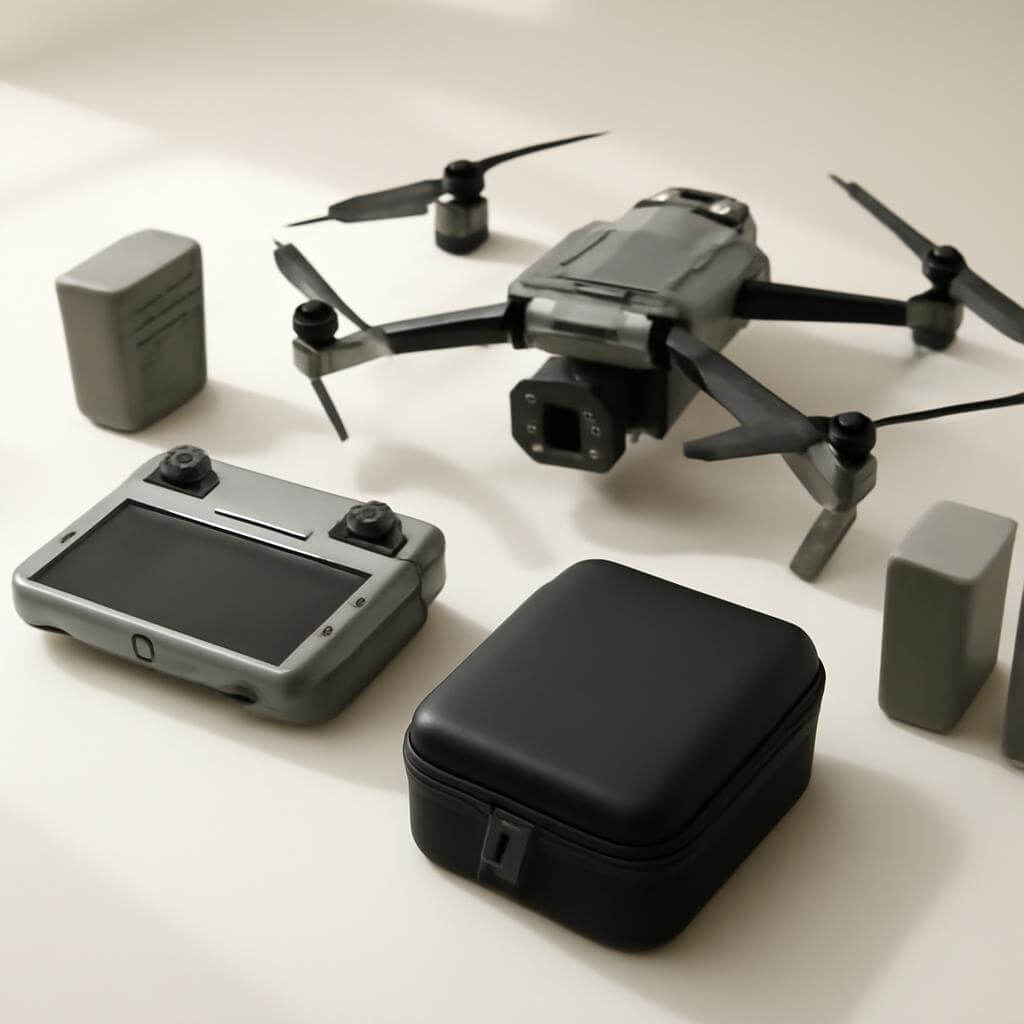
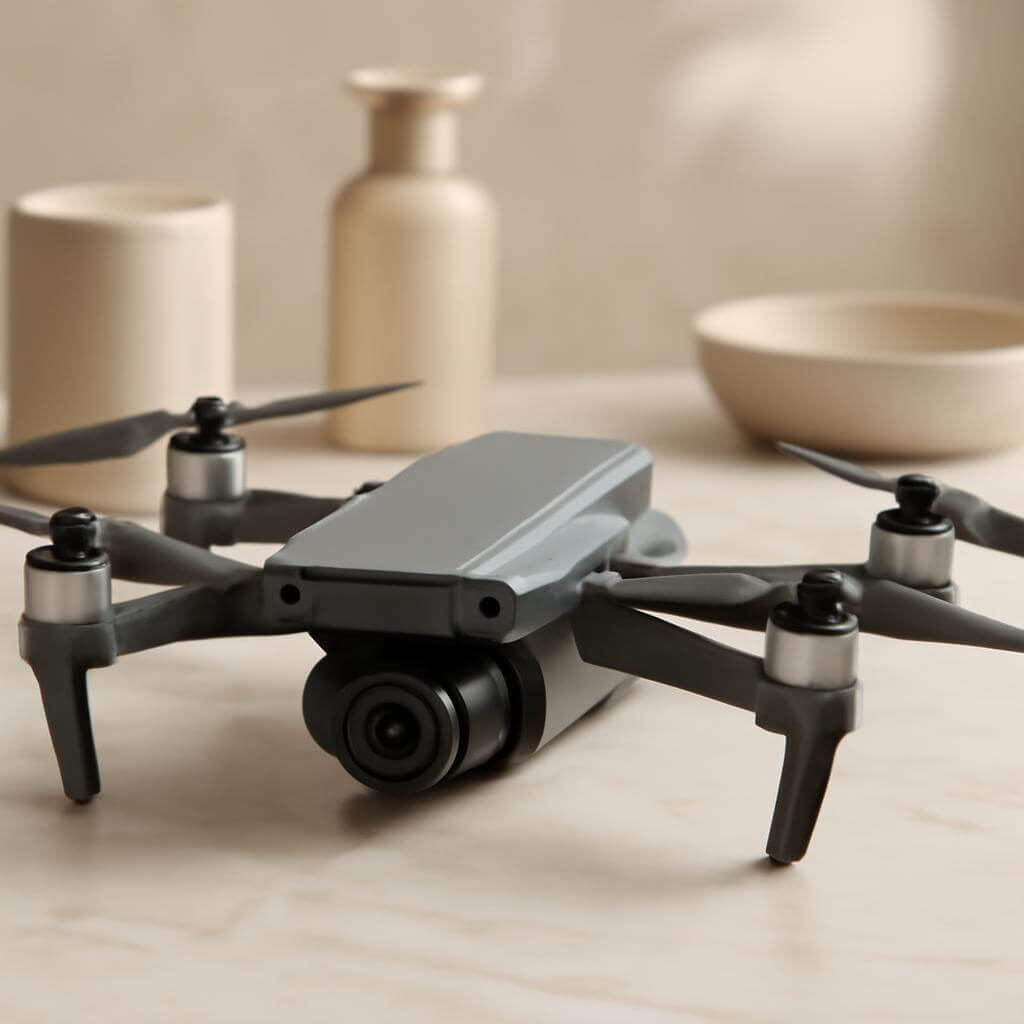
Did you know that the global drone market is projected to grow to $63.6 billion by 2028, with a compound annual growth rate (CAGR) of 16.3%? This meteoric rise underscores the critical role unmanned aircraft systems (UAS) play in industries ranging from logistics to defense. For businesses in the drone ecosystem, this is a pivotal moment to align with innovation and anticipate regulatory shifts.
The Growing Impact of UAS in a High-Tech Economy
Unmanned aircraft systems (UAS)—or drones, as they are commonly known—are reshaping sectors such as agriculture, construction, surveillance, and e-commerce logistics. According to a 2023 report by Statista, the commercial drone market alone accounts for over 60% of the industry’s total revenue, with aerial imaging and inspection services ranking as top use cases. Meanwhile, regulatory frameworks are evolving to keep pace with this rapid adoption.
In the U.S., the Federal Aviation Administration (FAA) has been at the forefront of establishing guidelines for safe and efficient UAS operations. From airworthiness certification to rules for beyond visual line of sight (BVLOS) flights, the FAA’s policies serve as benchmarks for global best practices.
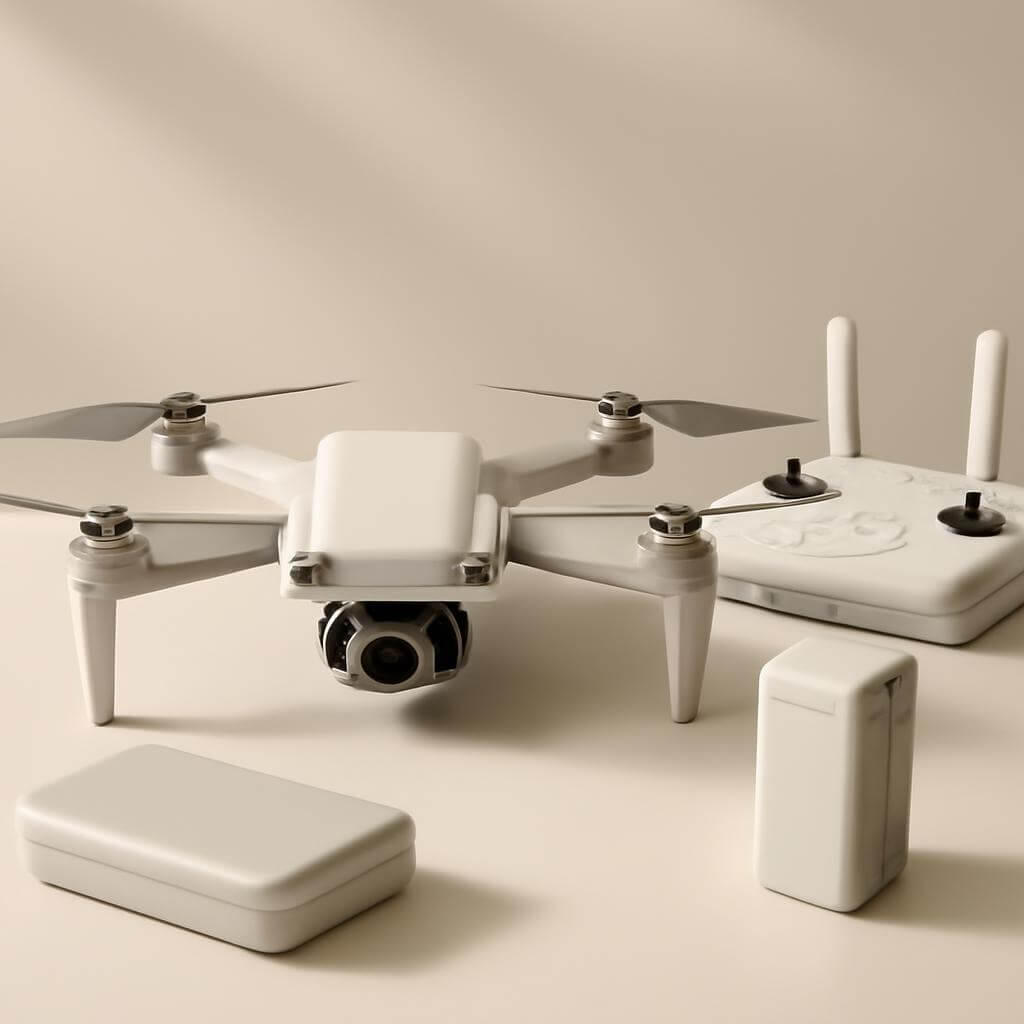
From Policy to Practice: Expert Insights on UAS Evolution
“The rapid deployment of UAS technology is not just about innovation—it’s about creating a sustainable ecosystem where safety, efficiency, and scalability coexist,” says Dr. Emily Harper, a leading aerospace engineer specializing in UAS. She highlights that businesses integrating drones into their operations must consider factors such as regulatory compliance, technological adaptability, and the environmental impact of their fleets.
One significant development is the adoption of uncrewed traffic management (UTM) systems. According to McKinsey’s 2024 projections, UTM systems will enable seamless integration of drones into airspace shared with manned aircraft, boosting operational efficiency by 30%. Additionally, certifications like the FAA’s Part 107 are becoming prerequisites for commercial operators, reinforcing the need for businesses to stay informed about evolving legal and policy landscapes.
Industry Standards and Best Practices for UAS Deployment
Regulatory compliance is crucial for any business leveraging UAS technology. In the U.S., the FAA mandates adherence to Part 107 for commercial drone operations, which includes restrictions on altitude, flight over people, and nighttime operations unless waivers are obtained. Similarly, international markets are guided by frameworks like the European Union Aviation Safety Agency’s (EASA) rules for UAS.
Best practices for UAS deployment also extend to technical standards. For instance, manufacturers and operators should prioritize compliance with ISO 21384-3 for unmanned aircraft system certification and ISO 27001 for secure data transmission. These certifications not only enhance operational safety but also foster trust among stakeholders.
Implementation Strategies and Measuring Success in UAS Projects
Businesses looking to integrate UAS must start with clear objectives and measurable success metrics. For example, a logistics company may aim to reduce delivery times by 25% through drone-based last-mile solutions. Similarly, agricultural firms can track crop yields and soil health improvements after deploying aerial imaging drones.
One practical approach is partnering with experienced UAS manufacturers like 7STAR. Backed by 10+ years of industry expertise and certifications such as GMP and ISO 22716, 7STAR offers customizable solutions for various applications. With factory-direct pricing and low MOQs starting from 500 units, businesses can scale quickly without compromising quality.
The Future of UAS: Strategic Recommendations for 2024 and Beyond
The UAS industry is poised for transformative growth, with advancements in AI, battery technology, and autonomous navigation systems leading the charge. By 2025, PwC estimates that drones will contribute $127 billion to the global economy, primarily through applications in infrastructure, agriculture, and public safety.
For businesses, the key to long-term success lies in staying ahead of regulatory changes, investing in R&D, and forging partnerships with trusted suppliers like 7STAR. As the industry evolves, strategic foresight will be a critical differentiator.
Frequently Asked Questions
Can I shoot down drones flying over my house?
Legally, shooting down a drone is prohibited under U.S. federal law. The FAA considers drones as aircraft, and damaging or destroying them is a violation of the Aircraft Sabotage Act. Instead of taking action yourself, report the issue to local authorities or the FAA. For homeowners concerned about privacy, installing drone detection systems or consulting legal experts can provide alternative solutions.
What are the four types of drones?
The four main types of drones are multi-rotor, fixed-wing, single-rotor helicopter, and fixed-wing hybrid VTOL (vertical takeoff and landing). Multi-rotor drones are ideal for aerial photography and short-range applications due to their stability. Fixed-wing drones are better suited for long-range and endurance missions, such as surveying large areas. Single-rotor helicopters offer greater payload capacity, while hybrid VTOL drones combine the best of both worlds, offering vertical takeoff and efficient forward flight.
Which are the best drones to buy?
The best drone depends on your specific needs. For beginners, models like the DJI Mini 2 offer ease of use and high-quality cameras. Professionals in industries like film or construction may prefer the DJI Mavic 3 for its advanced imaging capabilities. For budget-conscious buyers, brands such as Holy Stone provide reliable options under $200. Always consider factors like battery life, camera quality, and additional features such as obstacle avoidance when making your choice.
What weapon can disable a drone?
While physical weapons are not legally permissible for disabling drones, counter-drone technologies provide lawful alternatives. These include radio frequency (RF) jammers, which disrupt the communication link between the drone and its operator, and GPS spoofing devices, which mislead the drone’s navigation systems. Advanced solutions like drone capture nets or directed energy weapons (DEWs) are used in military or high-security applications. Always consult legal guidelines before deploying such measures.
What is the difference between a UAV and a UAS?
A UAV (Unmanned Aerial Vehicle) refers specifically to the drone itself, which is the flying component. In contrast, a UAS (Unmanned Aircraft System) encompasses the entire system, including the UAV, ground control station, communication links, and any other supporting equipment. Understanding this distinction is crucial for businesses seeking to integrate drones into their operations holistically.
What are the career opportunities in the UAS industry?
The UAS industry offers a wide range of career opportunities, from drone piloting and maintenance to software development and regulatory compliance. Roles such as UAS data analyst, operations manager, and aeronautical engineer are in high demand. Companies like 7STAR provide opportunities for collaboration in manufacturing and R&D, particularly for professionals interested in advancing drone technology.