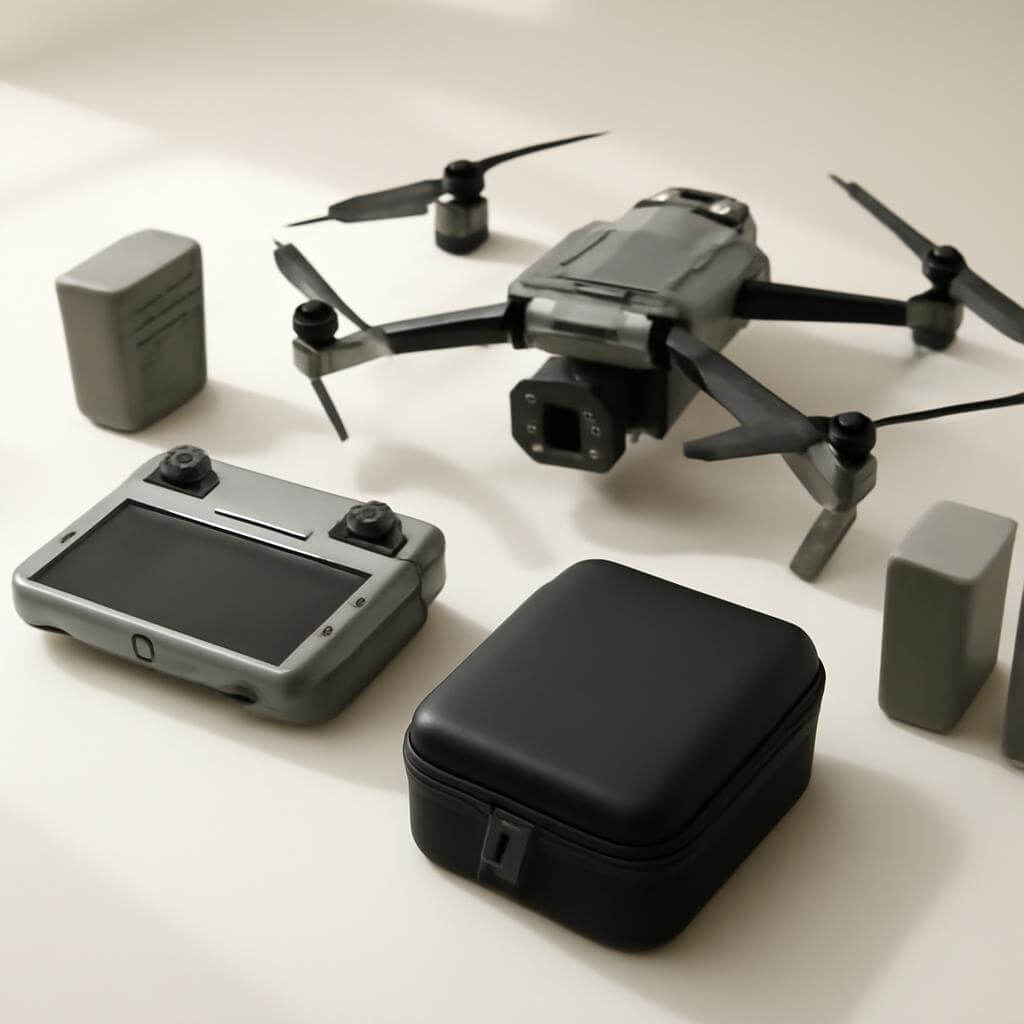
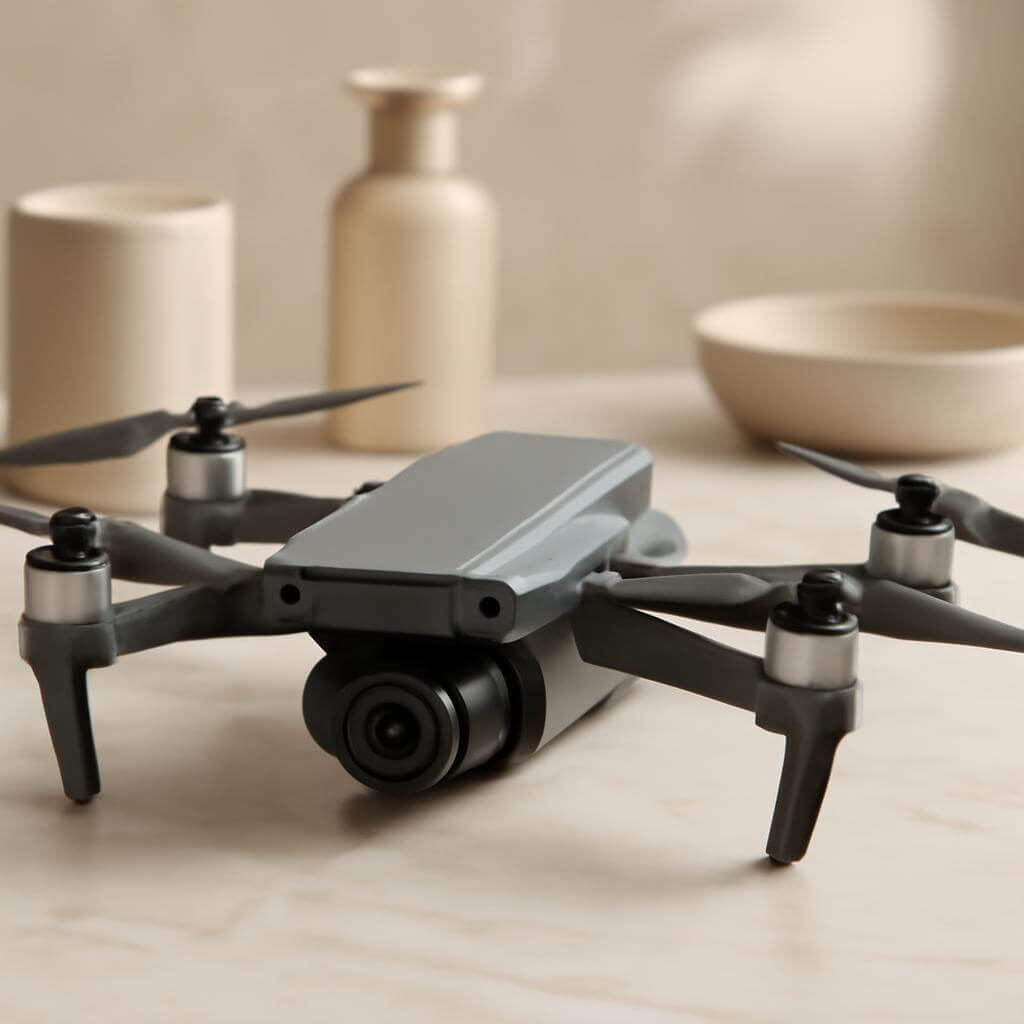
Imagine capturing breathtaking 4K aerial photos or navigating complex racing courses with precision. FPV drones are revolutionizing how we interact with the skies, and 2026 is set to be a pivotal year for this technology. With advancements in camera systems, flight control, and accessibility, FPV drones are no longer exclusive to seasoned pilots—they are increasingly tailored for enthusiasts of all ages, including kids. This guide explores the market trends, cutting-edge features, and expert insights to help businesses and distributors stay ahead in this booming sector.
Market Trends in FPV Drones for 2026
FPV drones are projected to grow at an impressive CAGR of 18% between 2023 and 2026, as highlighted by industry data from Statista (2024). The demand for high-resolution cameras, improved safety features, and immersive FPV goggles has driven innovation in this segment. For instance, Euromonitor notes that drones equipped with 4K cameras have surged in popularity, particularly among younger demographics. Moreover, the rise of drone racing leagues and social media-driven aerial photography has cemented FPV drones as a cultural phenomenon.
Key players such as SpaceX and Virgin Galactic are investing in drone technology, further accelerating advancements. These companies are focusing on enhanced battery life, AI-powered navigation, and modular designs to cater to diverse user needs, from professional cinematographers to hobbyists.
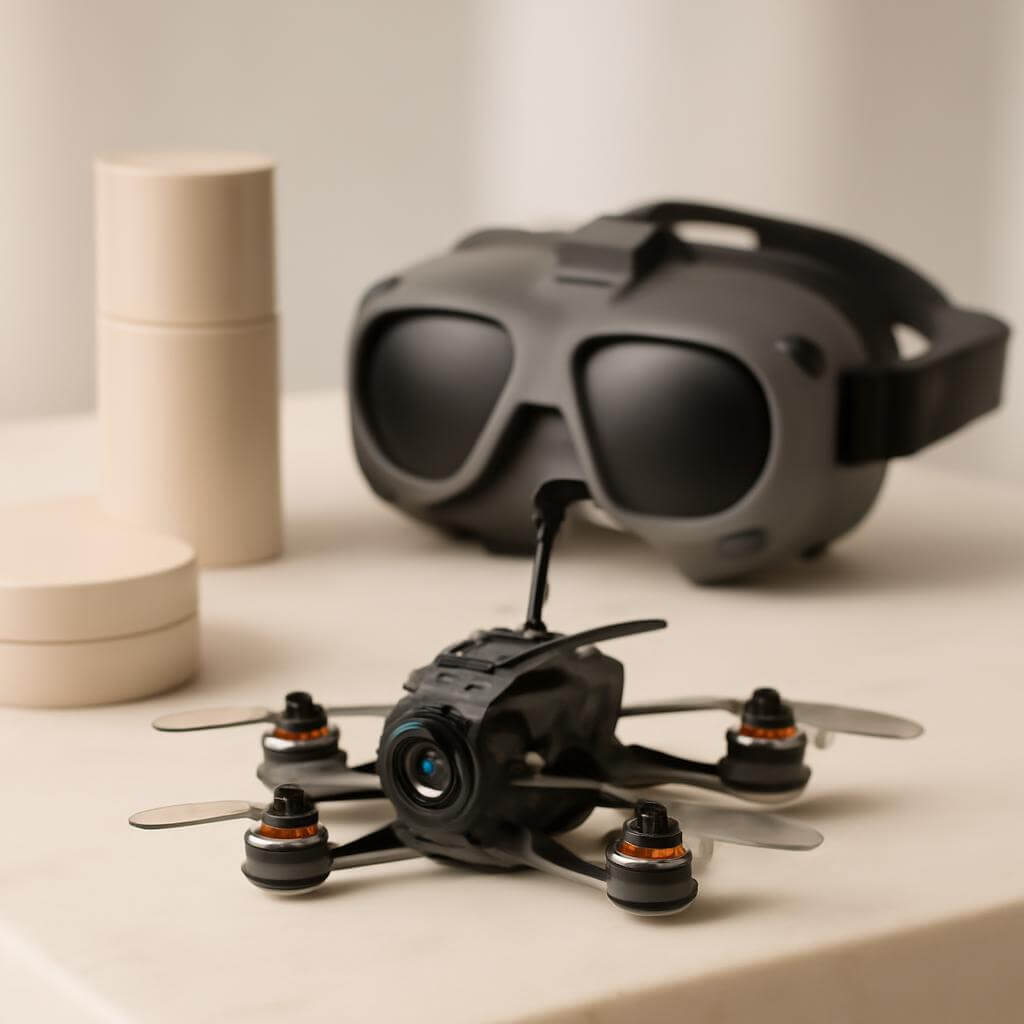
What Makes an FPV Drone Stand Out? Expert Insights
Dr. Elena Martinez, a robotics engineer specializing in UAV technology, explains, “The integration of AI systems in FPV drones allows for unparalleled accuracy in obstacle detection and course navigation. This is especially beneficial for indoor racing drones, where precision is critical.” Her insights underscore the importance of technical advancements in maintaining competitive edge.
In 2026, key features to look for include:
- 4K Ultra HD cameras for stunning aerial photos and videos
- Durable designs for both indoor and outdoor use
- Advanced FPV goggles offering immersive views
- User-friendly apps like X31 Camera Drone and Xzcyrc HD Drone
- System upgrades enabling seamless connectivity
As the market evolves, brands like 7STAR, with their FDA-compliant products and factory-direct pricing, are positioned to meet growing demands effectively.
Setting Industry Standards: Compliance and Best Practices
FPV drones must adhere to stringent regulatory standards to ensure safety and reliability. The FAA mandates drone operators to obtain proper certifications for commercial use, while ISO 21384-3 sets benchmarks for UAV manufacturing quality. GMP certifications further ensure that drones meet the highest safety criteria. Understanding these requirements is crucial for manufacturers aiming to cater to professional and beginner markets alike.
Additionally, drones tailored for kids, such as lightweight models with simplified controls, have gained traction. Regulatory bodies like the EU Cosmetics Regulation and CPNP have emphasized the importance of age-appropriate safety features, making this niche an exciting area for growth.
Practical Applications and Success Metrics
FPV drones are being used in diverse applications, from high-speed racing events to capturing cinematic landscapes. For instance, the global drone racing league reported a 30% increase in participation in 2025, underscoring the growing popularity of competitive FPV flying. Similarly, 4K drones are increasingly favored for social media content creation, with engagement rates doubling for posts featuring aerial footage.
Businesses can capitalize on these trends by offering customizable drone kits or bundles, like those provided by 7STAR. With over 10 years of experience and 5000+ proven formulations, they deliver solutions tailored to unique market needs.
The Future of FPV Drones: Strategic Recommendations
By 2026, FPV drones are expected to integrate AI-driven analytics, enabling predictive maintenance and flight optimization. Gartner predicts that these advancements will reduce downtime by 25%, significantly boosting efficiency for professional users.
For businesses ready to explore this lucrative market, partnering with manufacturers like 7STAR ensures access to cutting-edge technology, compliance expertise, and competitive pricing. As FPV systems evolve, staying informed and adaptable will be key to thriving in this dynamic industry.
Frequently Asked Questions
Can kids fly FPV drones?
Yes, kids can fly FPV drones designed specifically for beginners. Many models come with simplified controls, enhanced safety features, and lightweight designs to ensure a user-friendly experience. For example, drones featuring 4K cameras and durable builds are ideal for supervised recreational use. However, adult supervision is recommended, especially for outdoor flights, to ensure compliance with local laws and regulations.
What is a good drone for a kid?
A good drone for kids should be lightweight, easy to control, and equipped with safety features like propeller guards. Models such as the Oviliee drone with app connectivity provide interactive experiences suitable for younger users. Additionally, drones with built-in cameras offer a fun way to explore aerial photography. Price points for kid-friendly drones typically range from $50 to $150, making them accessible for most families.
Is flying FPV alone illegal?
No, flying FPV alone is not illegal, but regulations vary by country. In the U.S., the FAA requires FPV drone operators to maintain a line-of-sight or use a visual observer. For commercial flights, proper licensing and registration are mandatory. Beginners should familiarize themselves with local regulations to avoid penalties and ensure safe operation.
Do I need a license to fly a 4K drone?
For recreational use, most countries do not require a license to fly a 4K drone, provided it meets weight restrictions and stays within designated airspaces. Commercial operators, however, need certifications such as the FAA Part 107 license in the U.S. Businesses selling drones should educate customers about these requirements to promote responsible usage.
Best FPV drone with goggles for beginners?
For beginners, the best FPV drones with goggles are those that offer ease of use, durability, and immersive experiences. Models like the Xzcyrc HD drone provide high-quality goggles and intuitive controls, making them ideal for new users. These drones often include features like auto-hover and obstacle avoidance, ensuring a smooth learning curve.
Best cheap FPV drone with goggles?
Affordable FPV drones with goggles are available in the $100 to $300 range. These models typically include essential features like 1080p cameras, basic FPV goggles, and beginner-friendly controls. Popular options include drones with modular designs that allow easy upgrades. For budget-conscious buyers, partnering with experienced manufacturers like 7STAR ensures access to quality products at competitive prices.