Eco-Friendly Materials Trend in Plush Toys
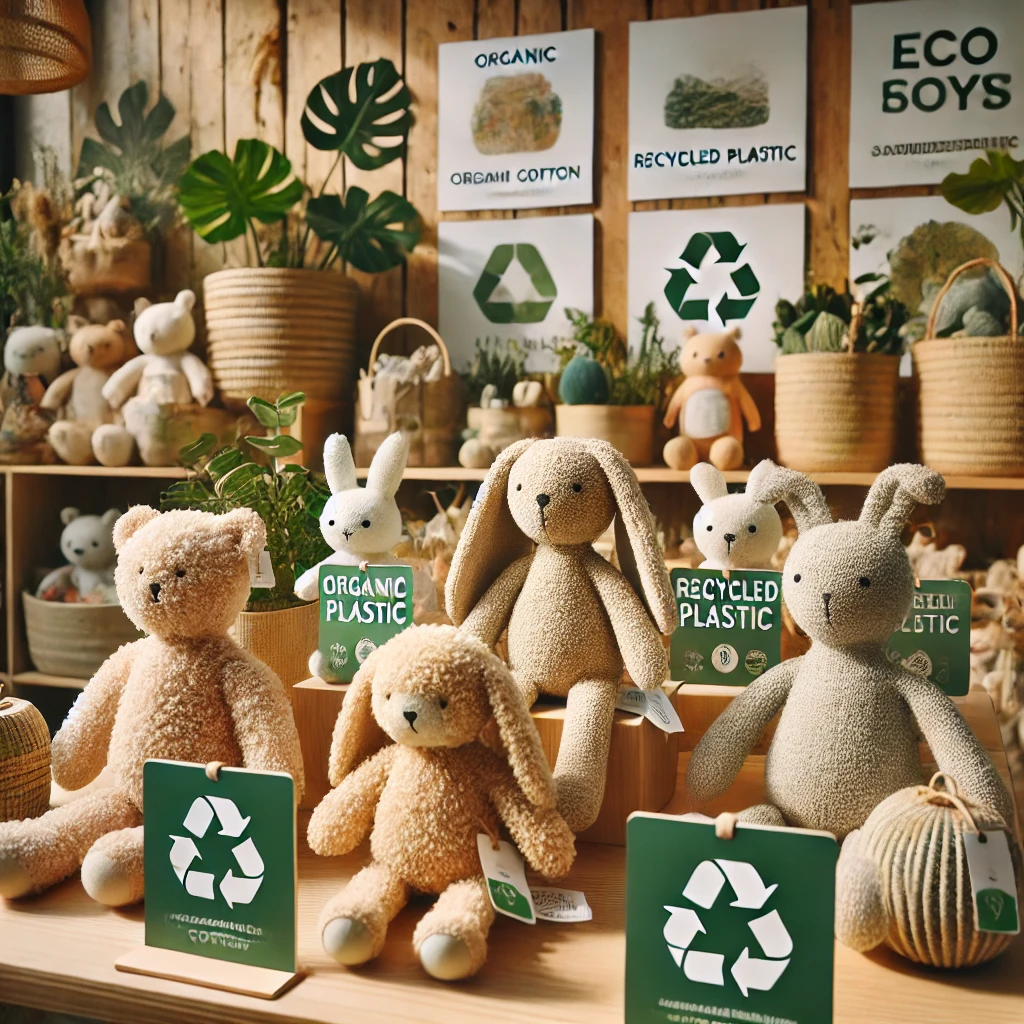
In recent years, the trend towards eco-friendly and sustainable materials has gained momentum in the plush toy industry. Manufacturers are responding to growing consumer demand for products that are not only safe for children but also kind to the environment. Here’s how the eco-friendly movement is reshaping the industry:
1. Use of Organic Cotton and Recycled Materials: Many plush toy manufacturers have begun using organic cotton and recycled plastic in their products. Organic cotton is grown without harmful chemicals or pesticides, ensuring a safer product for children. Recycled plastic, often sourced from discarded bottles, is transformed into soft filling material, reducing the environmental impact of plastic waste.
2. Natural Fibers: In addition to organic cotton, some companies are turning to other natural fibers such as bamboo and hemp. These materials are biodegradable and renewable, making them an excellent choice for eco-conscious consumers.
3. Sustainability Certifications: Plush toys made from eco-friendly materials often come with certifications such as GOTS (Global Organic Textile Standard) or OEKO-TEX. These certifications reassure consumers that the toys meet rigorous environmental and safety standards.
4. Market Appeal: Parents today are more conscious of the environmental impact of the products they buy for their children. Plush toys made from eco-friendly materials are increasingly popular as parents seek out sustainable, toxin-free alternatives. Additionally, these toys appeal to eco-conscious adults looking for gifts or collectible items that align with their values.
5. Long-Term Impact: The shift toward eco-friendly materials is not just a passing trend. As awareness about sustainability grows, it’s likely that more manufacturers will adopt green practices, helping to reduce the environmental footprint of the plush toy industry.