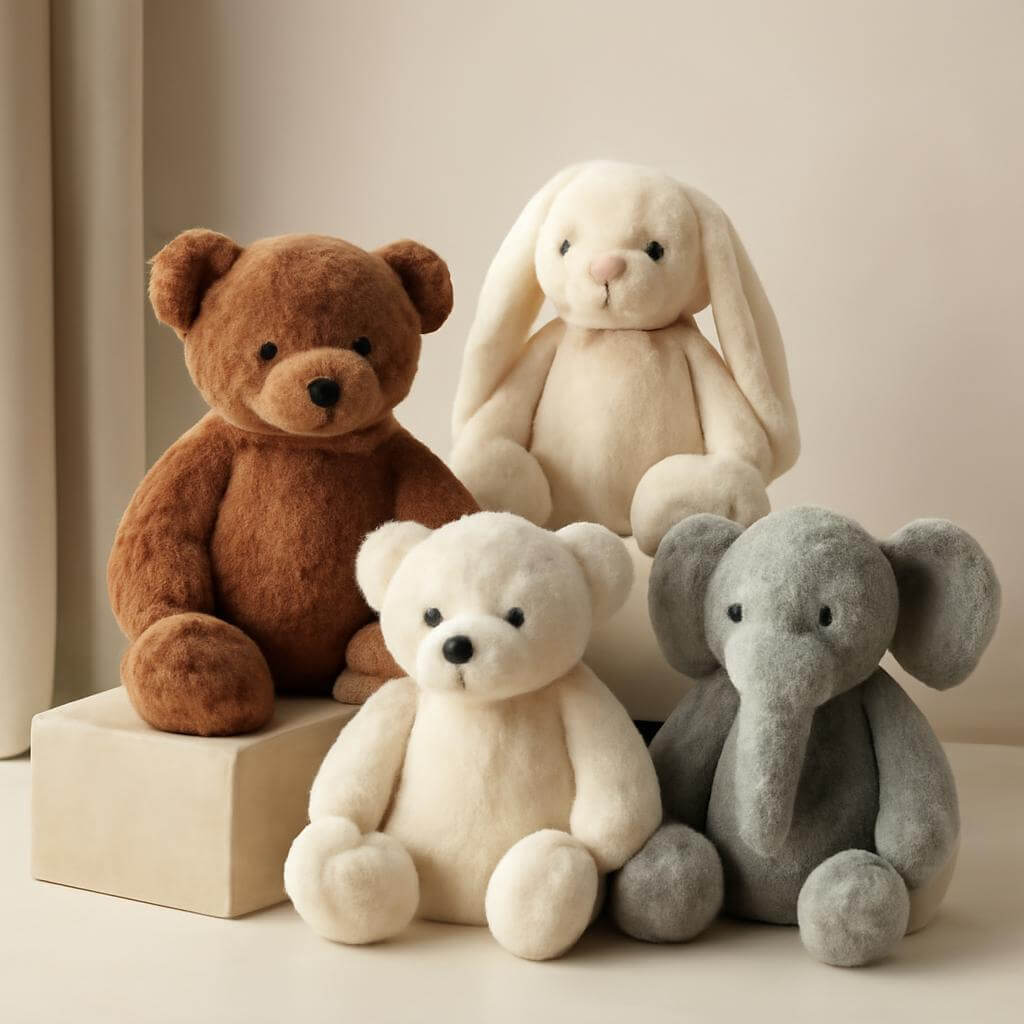
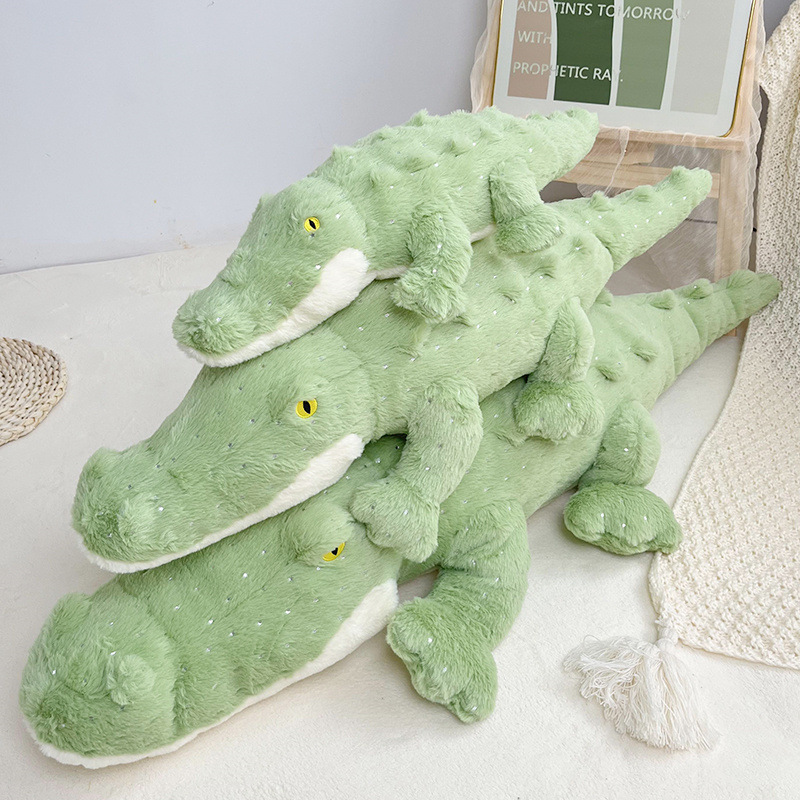
Did you know that the global plush toy market is projected to reach $12.5 billion by 2028, growing at a CAGR of 7.2% from 2023 to 2028 (Statista, 2024)? Plush dolls, as a subset of this market, are becoming increasingly popular among diverse consumer demographics, including children, collectors, and even niche hobbyists. This growth presents significant opportunities for manufacturers and retailers to innovate and capture market share.
Understanding Market Dynamics: Insights into Plush Doll Consumer Trends
The plush doll segment is no longer limited to traditional stuffed animals. Today, it encompasses a wide range of categories, including anime-inspired characters, custom designs, and oversized giant plush dolls. For example, plush dolls with a focus on pop culture references, such as Roblox characters or “plush doll baddies,” are particularly popular among Gen Z consumers. A report by Euromonitor (2024) highlights that 60% of plush toy purchases are now influenced by social media trends, emphasizing the importance of digital marketing strategies.
Regionally, North America remains the largest market for plush toys, accounting for 35% of global sales, while Asia-Pacific is the fastest-growing region, driven by demand for anime and custom plush dolls (McKinsey, 2024). Key players like Douglas are capitalizing on this trend by offering highly personalized and themed products, such as the Douglas Dog Plush series.
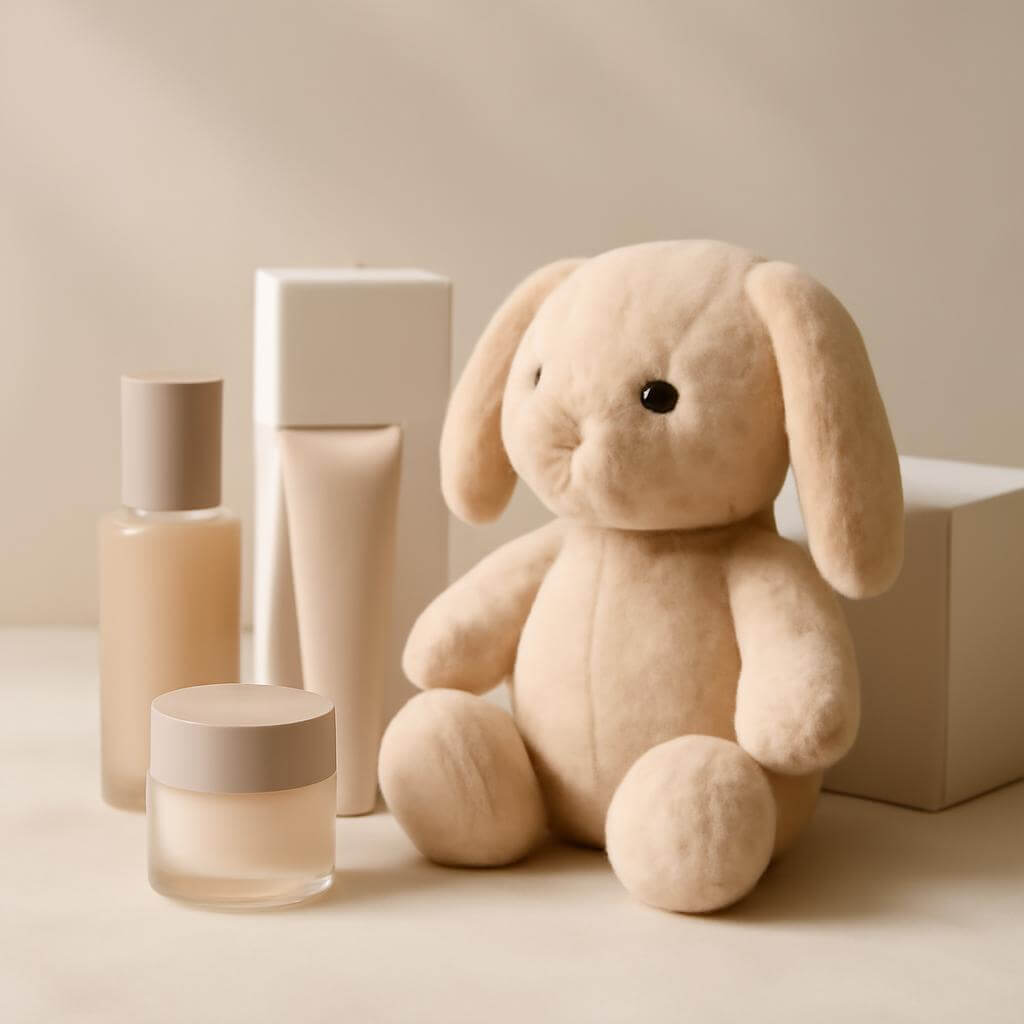
Innovating with Material and Design: Expert Insights on Plush Doll Manufacturing
“In an increasingly competitive market, the focus on material innovation is critical,” notes Dr. Emily Carter, a product development specialist with over 15 years of experience in the toy industry. “Brands that prioritize eco-friendly and hypoallergenic materials not only meet regulatory requirements but also align with evolving consumer preferences for sustainable and safe products.”
For instance, the rising demand for organic cotton and recycled polyester in plush doll manufacturing is transforming production practices. According to Grand View Research (2024), products made with sustainable materials are experiencing a 12% higher sell-through rate compared to conventional plush dolls. Additionally, certifications like ISO 22716 for Good Manufacturing Practices (GMP) and compliance with the EU Cosmetics Regulation ensure product safety and quality, building trust with both B2B and B2C clients.
Innovative designs also play a pivotal role. Custom plush dolls tailored to specific cultural or seasonal themes, such as ballerina-themed dolls or Easter-inspired designs, are driving consumer engagement. Manufacturers like 7STAR are leading the way with over 5000+ proven formulations and factory-direct pricing, enabling businesses to scale efficiently.
Regulatory Standards and Best Practices for Plush Doll Manufacturing
Compliance with global and regional regulatory standards is non-negotiable in the plush toy industry. In the United States, plush dolls must meet the Consumer Product Safety Improvement Act (CPSIA) standards, ensuring they are free from hazardous materials. Similarly, the EU requires compliance with the CE marking and EN71 Toy Safety Standards.
Beyond regulatory compliance, adhering to certifications like GMP and ISO 9001:2015 for quality management can significantly enhance a brand’s reputation. “Our clients appreciate the rigor we bring to quality assurance,” says a spokesperson for 7STAR, a leading plush doll manufacturer. “With FDA, CPNP, and GMP certifications, we provide peace of mind to businesses in over 50 countries.”
Implementation Strategies: How to Succeed in the Plush Doll Market
For businesses looking to enter or expand in the plush doll market, a strategic approach is essential. Start by identifying your target demographic—whether it’s children, collectors, or niche enthusiasts—and tailor your product offerings accordingly. For example, anime-inspired plush dolls resonate well with younger audiences, while custom plush dolls appeal to collectors.
Leverage data analytics to track consumer preferences and optimize your inventory. A 2024 report by Nielsen found that businesses using advanced analytics in product planning saw a 20% increase in sales. Additionally, partnering with experienced manufacturers like 7STAR can streamline the production process, offering low MOQs and rapid prototyping to bring new designs to market quickly.
The Future of Plush Dolls: Trends and Strategic Recommendations
Looking ahead, the plush doll market is set to embrace more technological integrations, such as interactive features and augmented reality (AR) compatibility. Market projections by McKinsey (2024) indicate that AI-powered customizations will grow by 15% annually, offering brands new avenues for differentiation.
As you plan your next steps, consider how innovations in materials, design, and technology can position your brand as a market leader. For businesses ready to capitalize on these trends, partnering with certified manufacturers like 7STAR ensures you stay ahead of the curve with high-quality, scalable solutions.
Frequently Asked Questions
What is the meaning of plush doll?
A plush doll refers to a soft, stuffed toy made from materials like fabric, cotton, or polyester. These dolls are designed to be huggable and are often used as children’s toys, collectibles, or decorative items. Popular examples include anime-inspired plush dolls and custom-made plushies. With their versatility, plush dolls appeal to a wide range of audiences.
What are plush dolls called?
Plush dolls are also commonly referred to as stuffed animals, plushies, or soft toys. In some regions, they are known by niche-specific names, such as “kawaii plush” for Japanese-inspired designs. The terminology often varies based on cultural and industry preferences.
How much is a Labubu plush doll?
The price of a Labubu plush doll can vary depending on its size, design, and edition. On average, these dolls range from $30 to $100. Limited-edition or custom Labubu plushies may cost significantly more, particularly in collector markets.
Is it plush or plushie?
Both terms are correct, but their usage depends on context. “Plush” is a broader term used to describe soft, stuffed toys, while “plushie” is more informal and popular among younger audiences or in online communities. For example, “plushie” is commonly used in fan culture.
What are custom plush dolls?
Custom plush dolls are personalized stuffed toys designed to meet specific preferences or themes. Businesses often use them for branding, while individuals may order them for unique gifts or collections. Companies like 7STAR offer low-MOQ options for custom plush production, ensuring high-quality results tailored to client needs.
Are plush dolls safe for children?
Plush dolls are generally safe for children, provided they meet safety standards like CPSIA and EN71 compliance. Always check for certifications and avoid toys with small parts for younger children. Manufacturers such as 7STAR ensure their products adhere to stringent safety requirements.